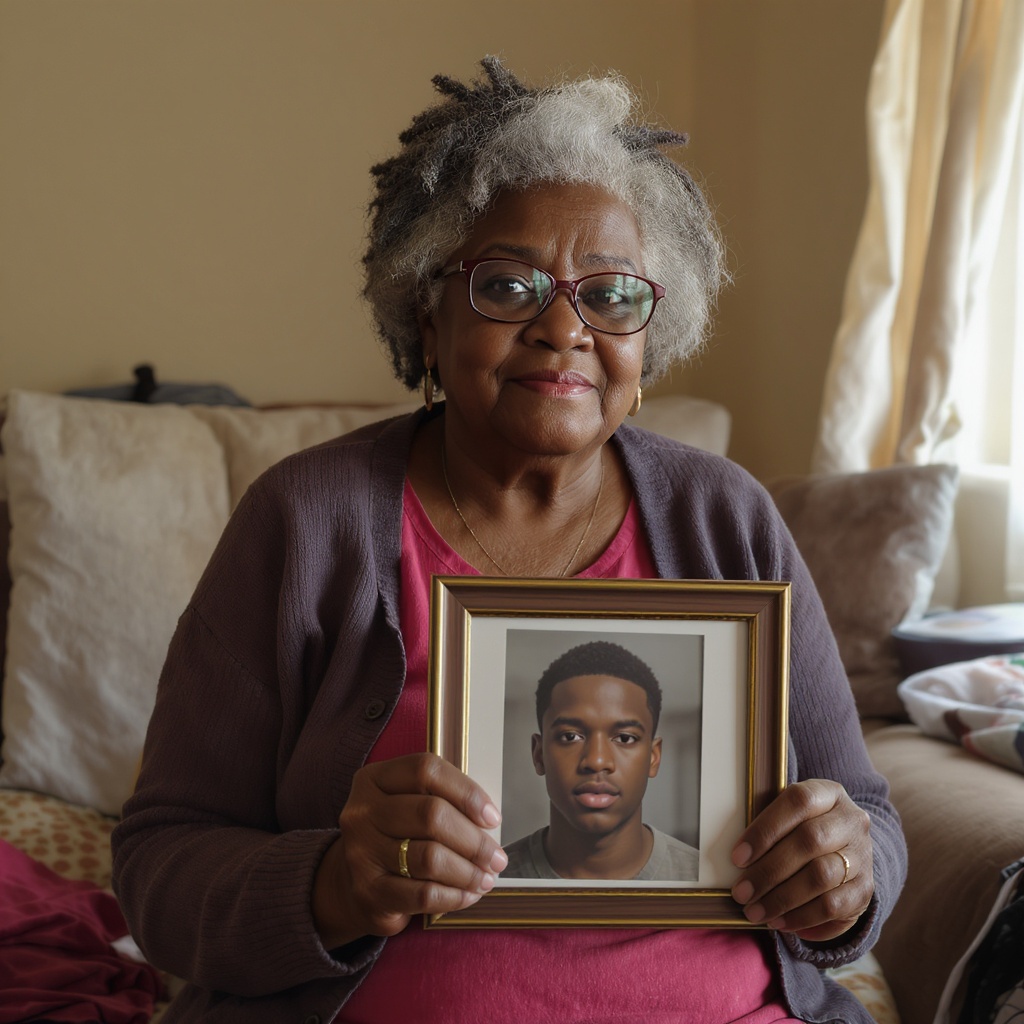
JPay charges $0.25–$0.50 per message depending on your state — a "stamp" system that forces families to prepay for communication. Add photo attachments at $0.35 each, video visits at $0.25+/minute, and account deposit fees, and a typical engaged family pays $370–$550 a year just to stay connected. Over five years: $1,850–$2,750.
The fees aren't a bug — they're the business model. Facilities sign exclusive contracts with JPay (owned by Aventiv Technologies / Securus). The facility earns a cut of messaging revenue. The family has no choice but to pay. Until now, that equation only worked in one direction.
But alternatives exist — and one of them costs nothing. Here's the complete, honest comparison.
Comparison Table: JPay vs. Every Real Alternative
| Platform | Cost per Message | Photo Cost | Video Visit | Transfer Fees | Free Tier |
|---|---|---|---|---|---|
| YardLink ★ | $0 — Free | $0 — Free | Coming soon | None | ✓ Yes — always |
| JPay (Aventiv) | $0.25–$0.50/msg | +$0.35/photo | $3.50–$9.95/session | $1.95–$2.95/deposit | ✗ No |
| GTL / Getting Out | $0.10–$0.50/msg | Varies | Varies by facility | Yes | ✗ No |
| Securus | $0.25–$0.50/msg | +$0.35/photo | Varies | Yes | ✗ No |
| CorrLinks | ~$0.05/min to send | Not supported | Not supported | None | ✓ Receive only (federal) |
| Pigeonly | Subscription | Included in plan | Not supported | None | ✗ Trial only |
Sources: Prison Policy Initiative, Prison Legal News (Mar 2025), NJ Monitor (Aug 2024), FCC Order (Aug 2024), JPay.com pricing page. Pricing reflects 2026 rates; costs vary by state contract.
📊 See exactly what JPay is costing your family
Plug in your message frequency, photos, and video visits. The calculator shows your annual and 5-year cost — and your potential savings.
The Free Alternative: YardLink
No stamps. No deposits. No fees.
YardLink is a social platform built specifically for incarcerated people and their families. The model is simple: no per-message fees, ever. Instead of a bare-bones email portal, YardLink works like a social network — profiles, messaging, photo sharing, a social feed, and a credit system for optional in-app recognition.
Family members outside create a free account and connect with their incarcerated family member's profile. The incarcerated person accesses YardLink through a facility-approved tablet. Messages are reviewed according to facility protocols — but the cost to send is zero.
The Other Alternatives: Honest Assessments
GTL / Getting Out
Global Tel Link (now operating as Getting Out) is one of the two dominant prison telecom providers alongside JPay. They cover a significant share of state facilities for both calling and messaging. Fees vary widely by facility contract — some contracts are closer to $0.10/message, others match JPay's rates. Getting Out has invested more in its video visitation product than JPay and has a somewhat more modern interface, but it is not a cost-saving alternative. You're still paying per message.
Securus
Securus is technically JPay's corporate sibling — both are owned by Aventiv Technologies. The pricing is comparable: $0.25–$0.50 per message with similar surcharge structures. If your facility uses Securus instead of JPay, you haven't found a deal. The interface is dated, the fees are the same, and the business model is identical. It's the same product line with a different logo on the door.
CorrLinks (Federal Only)
CorrLinks is the Federal Bureau of Prisons' approved email system. If your family member is in federal custody, this is likely their messaging platform. It's not free for senders — the cost is approximately $0.05 per minute of reading time, which translates to roughly $0.05–$0.15 per message in practice. That's still far cheaper than JPay, and receiving messages is free. The major limitation: CorrLinks is only available at federal facilities. Not state, not county.
Pigeonly
Pigeonly takes a subscription approach — $10–15/month covers photos, letters, and messaging at unlimited rates. If you're a high-frequency sender, the math can work out cheaper than JPay per item. Pigeonly's standout feature is photo printing: it can print and mail physical photos directly to a facility, which matters at facilities that don't accept tablet-based photo sharing. For occasional senders, though, the monthly subscription is expensive relative to what you use.
Physical Mail (USPS)
Still worth mentioning. First-class postage ($0.73) gets you unlimited text. Many facilities accept physical letters without restriction. If your communication needs are primarily written correspondence without photos or real-time messaging, physical mail is the cheapest option. It just has a 2–5 day delivery lag and is not interactive.
How to Find Out Which Platform Your Facility Supports
The most reliable methods:
- Call the facility directly. Ask for the unit team or case manager: "What messaging apps are approved for tablet use?" Takes 5 minutes.
- Ask the incarcerated person. If you have any contact, ask them what messaging apps are available on their tablet. They know. They can also give you their account handle.
- Check the state DOC website. Many state DOC sites list approved vendors or have facility-specific pages. Search "[state] DOC inmate messaging [facility name]."
- Use platform facility finders. YardLink, JPay, and Getting Out all have facility lookup tools. Checking all three takes about ten minutes.
Important: some facilities support multiple platforms simultaneously. If your facility supports both JPay and YardLink, you can choose — and the choice is clear.
You can also browse our facility directory — we track which facilities have approved YardLink across all 50 states.
JPay Alternatives at Specific Facilities
If you're looking for your family member at a specific facility, here's how pricing breaks down for the most-searched locations — and the free alternative available at each.
San Quentin State Prison
San Quentin, California · ~1,700 inmates
California is among the highest-cost JPay states. A family sending 150 messages/month at $0.40/msg pays ~$720/year just in stamps — before photo fees. See San Quentin facility page →
Clinton Correctional Facility
Dannemora, New York · ~2,900 inmates · Infamous from escape case coverage
New York is one of the most expensive states for JPay messaging. Clinton's rural upstate location makes visits difficult, making electronic communication especially critical — and especially costly. See Clinton Correctional page →
Huntsville Unit (Walls Unit)
Huntsville, Texas · TDCJ main unit · Texas has mid-range JPay rates
Texas has one of the largest incarcerated populations in the country, and Huntsville Unit is one of the most-visited facilities. For families with multiple incarcerated members, JPay costs compound quickly. See Huntsville Unit page →
Attica Correctional Facility
Attica, New York · ~2,200 inmates · Historically significant facility
Rural western New York families face the same high JPay costs as those with members at Clinton or Sing Sing. Remote facilities make electronic communication the primary channel — and the most expensive one. See Attica Correctional page →
USP Leavenworth
Leavenworth, Kansas · ~800 inmates · Oldest federal prison, nationwide population
Federal facilities like Leavenworth use CorrLinks (BOP-approved), not JPay directly. CorrLinks charges per minute of reading time — cheaper than JPay but still not free. YardLink is available to supplement communication. See USP Leavenworth page →
Don't see your facility? Browse all 296 facilities we track across all 50 states — or see how JPay costs stack up against the alternatives.
Frequently Asked Questions
New to YardLink? See our FAQ — what YardLink is, who it's for, and what it costs.
Stop paying per message.
Sign up free — no stamps, no deposits, no per-message fees. YardLink is built for families who refuse to let pricing get in the way.
Sign up free →